
Self-ligating braces, unlike traditional braces that use elastic bands or ties to secure the archwire, self-ligating braces have a small door or clip that holds the archwire in place. This eliminates the need for elastic ties or metal ligatures used in traditional braces.
Advantages:
Reduced Friction: One of the main advantages is the reduction in friction between the bracket and the archwire. This can potentially lead to fasterand more comfortable tooth movement.
Easier Cleaning: With no elastic ties, self-ligating braces may be easier to clean, promoting better oral hygiene during orthodontic treatment.
Potentially Less Discomfort: The reduced friction may contribute to a more comfortable orthodontic experience.
Adjustment Visits
- While self-ligating braces generally require fewer adjustment visits than traditional braces, patients still need periodic check-ups with their orthodontist. These appointments allow for necessary adjustments and progress assessments.
Comfort and Appearance
- The smaller size of self-ligating brackets and the absence of elastic ties can contribute to a more aesthetically pleasing appearance. The reduced profile may also enhance comfort for some.
There are several brands of self-ligating braces, each with its own design and features. Some common types include
Damon braces,
SmartClip, and
In-Ovation.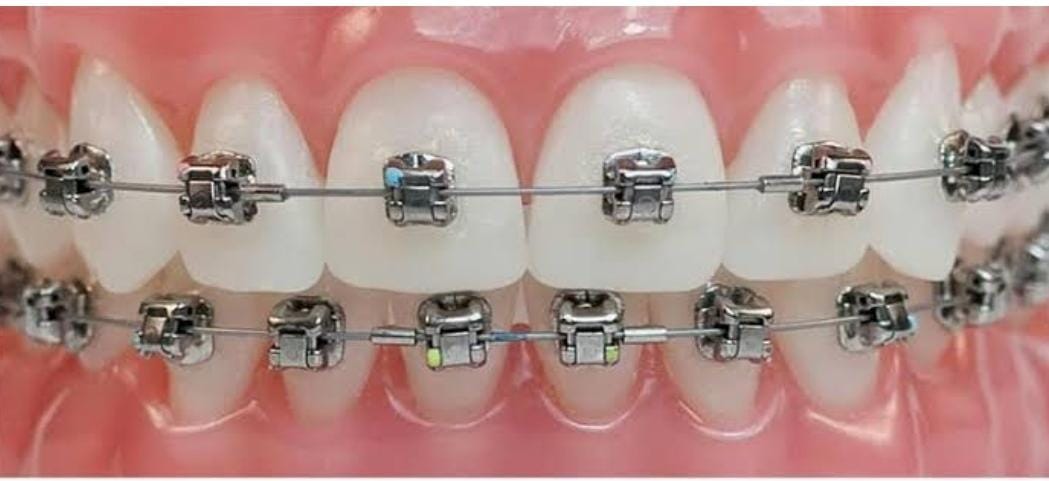
Self-ligating braces offer an alternative to traditional braces, aiming to provide potential benefits such as reduced friction, easier cleaning, and enhanced comfort. Individuals considering orthodontic treatment should consult with an experienced orthodontist to determine the most appropriate option for their unique case.
ll-being.
-
Mon- Sun : 10 AM to 8 PM
-
Mon- Sun : 10 AM to 8 PM